
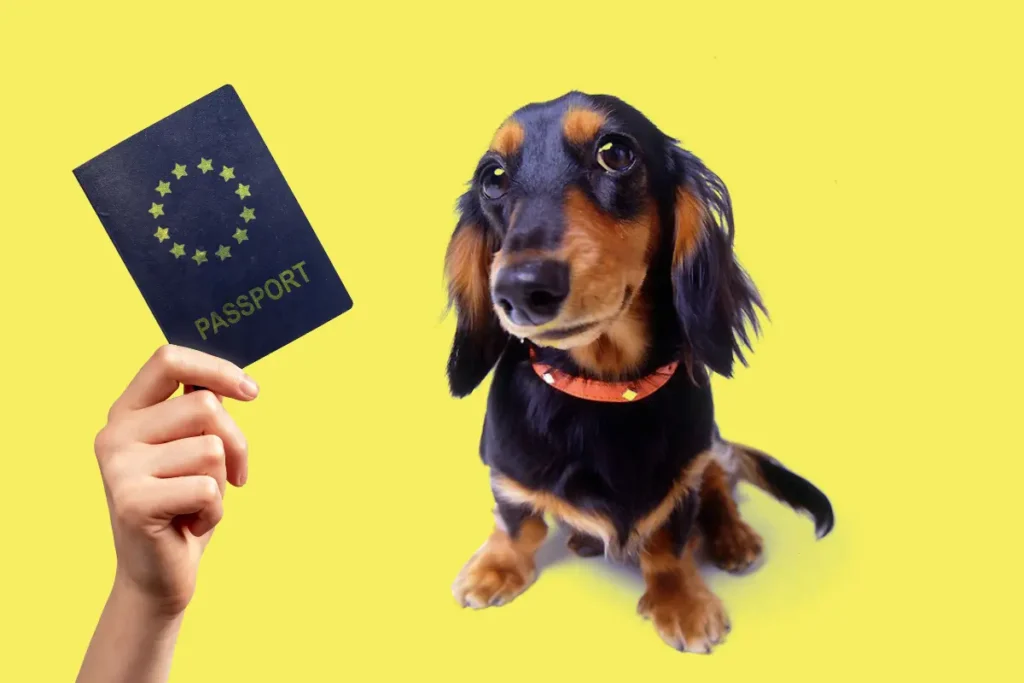
As pet ownership continues to rise across Ireland, the UK, and Europe, more owners are choosing to travel with their dogs and cats rather than leaving them behind. While the intention is often rooted in care and attachment, the reality of pet travel is far more complex than many people realise.
Moving an animal across borders—by car, ferry, or aircraft—is not a casual decision. It involves legal compliance, physical risk, stress management, and long-term welfare considerations that are frequently underestimated.
This editorial outlines the realities owners need to understand before travelling with a pet.
Pet Travel Is Regulated for a Reason
Within the European Union, pet travel is governed by strict animal-health regulations designed to prevent disease transmission and protect both animal and public health.
For dogs, this typically includes:
-
Microchipping
-
Rabies vaccination at the correct age
-
Mandatory waiting periods after vaccination
-
An EU pet passport issued by a registered veterinary professional
-
Additional parasite treatments for certain routes and destinations
These requirements are not administrative hurdles. They exist because animals can carry diseases that spread silently across borders if controls are not enforced.
Failure to meet timelines—even by hours—can result in denied entry, enforced quarantine, or the animal being refused travel altogether.
Air Travel: Not All Animals Are Suitable
Air travel presents the highest risk category for pets.
While some small animals may be permitted in cabin under strict size and weight limits, most medium to large dogs are transported in the aircraft hold. This environment is unfamiliar, noisy, temperature-sensitive, and stressful—even when airlines follow welfare protocols.
Certain dogs are routinely restricted from air travel due to increased health risks, particularly:
-
Brachycephalic (flat-faced) breeds
-
Dogs with compromised airways
-
Animals prone to overheating or respiratory distress
These restrictions are not arbitrary. They reflect documented welfare incidents and physiological limitations.
Owners must understand that wanting to travel with a pet does not automatically mean it is safe or appropriate to do so.
Sea and Land Travel: Lower Risk, Not Risk-Free
Ferry and road travel are often considered more manageable alternatives, particularly within Ireland and between neighbouring countries.
While these options reduce some risks associated with flight, they still require:
-
Secure containment
-
Adequate ventilation
-
Temperature control
-
Scheduled rest, hydration, and toilet breaks
-
Stress monitoring throughout the journey
Animals may remain in vehicles or designated kennel areas during sea crossings, depending on operator policy. These conditions must be assessed realistically—not emotionally.
Stress, Adaptability, and Individual Temperament
Not all animals respond to travel in the same way.
Dogs are often more adaptable when accompanied by their owners, but adaptability is not universal. Age, previous exposure, temperament, and health status all influence how an animal copes with movement, confinement, and unfamiliar environments.
Cats, in particular, are often significantly stressed by travel and relocation, even over short distances. Symptoms may not appear immediately but can manifest later as behavioural or medical issues.
Travel decisions should be based on the animal’s capacity—not the owner’s convenience.
Travel Is Not a Welfare-Neutral Choice
One of the most overlooked aspects of pet travel is the assumption that bringing an animal along is always kinder than leaving them behind.
This is not always true.
For some animals, remaining in a familiar environment with appropriate care is less stressful than undergoing transport, confinement, and exposure to new surroundings.
Responsible ownership means evaluating which option causes the least disruption to the animal, not which option feels best emotionally.
Preparation Is Not Optional
Before any journey, owners should realistically assess:
-
Whether the animal is medically fit to travel
-
Whether the route and method are appropriate
-
Whether contingency plans exist for delays or refusal
-
Whether the destination environment suits the animal
Travel should never be the animal’s first major exposure to confinement, vehicles, or long durations away from home.
A Growing Responsibility
As more pets are treated as family members, expectations around travel have shifted. However, animals do not experience travel the way humans do.
With increased mobility comes increased responsibility.
Travelling with a pet is not a lifestyle accessory or a spontaneous decision. It is a welfare-critical choice that requires preparation, honesty, and restraint.
Understanding the realities—rather than the romantic idea—of pet travel is essential to protecting animals from unnecessary stress and harm.
Philip Alain
The Canine Report