Rescue Dog Rehabilitation Ireland
Premium one-to-one in-home rescue dog rehabilitation across Ireland, designed around the dog’s history, emotional state, behaviour, home environment, owner handling and the practical structure needed to help rescue dogs settle, trust and succeed.
Rescue dog rehabilitation is far more than basic obedience training. Many rescue dogs enter new homes carrying behavioural instability shaped by stress, uncertainty, overstimulation, inconsistent handling, poor social development, neglect, abandonment or prolonged insecurity.
Some dogs arrive from shelters, pounds, multiple homes or difficult backgrounds. Others simply never learned how to feel secure within a normal human home environment.
This behaviour is rarely random. It is often a survival pattern that must be understood properly before it can be changed.
Compassion is essential, but compassion on its own is not enough. Rescue dogs also need structure, calm guidance, predictable routines, behavioural clarity, boundaries and emotional stability.
Too often, rescue dogs are approached with either excessive emotional sensitivity or overly simplified training advice that fails to address the dog’s real behavioural state.
True rehabilitation begins when the dog is given safety, structure, clarity and a home routine they can understand.
At Clare Dog Training Ireland, rescue dog rehabilitation is approached through structured, one-to-one, in-home behavioural guidance.
The focus is not simply on obedience. The focus is on behavioural recovery, environmental adjustment, emotional regulation, trust, stability and helping the dog function calmly and safely within everyday family life.
The goal is to help the rescue dog move from insecurity, confusion or overarousal into a clearer, calmer and more stable way of living.
Our Rehabilitation Approach
The dog is assessed in the home environment, where their behaviour, triggers, stress levels, routine and adjustment problems can be properly understood.
We look at fear, anxiety, hypervigilance, shutdown, overattachment, reactivity, guarding, pacing, barking and the dog’s ability to settle.
Rescue dogs need predictable structure. Clear routines, boundaries, rest, controlled freedom and calm handling help reduce confusion.
The owner is coached so they understand how to guide the dog, reduce pressure, avoid common mistakes and continue the rehabilitation process.
Rescue Dog Behaviour Problems
Hiding, shaking, retreating, freezing, avoiding people, flinching, struggling with touch or becoming overwhelmed in normal home situations.
Barking, lunging, fixating, growling or overreacting towards dogs, people, visitors, windows, traffic, noises or movement.
Constant scanning, pacing, alertness, inability to rest, reacting to small sounds, watching doors, windows or household movement.
Following the owner everywhere, distress when separated, panic when alone, crying, barking, scratching or struggling to settle independently.
Low confidence, withdrawal, lack of engagement, refusal to move, emotional flatness or difficulty responding to normal interaction.
Defensive behaviour around food, toys, beds, owners, furniture, doorways, rooms or spaces that the dog has started to control.
Jumping, grabbing, rushing, barking, bolting, mouthing, frantic behaviour or difficulty pausing before reacting.
Confusion around boundaries, routine, rest, visitors, household noise, family movement, garden access or daily expectations.
How the Service Works
The process begins with a free phone consultation so your rescue dog, background, behaviour concerns and home situation can be understood.
Your dog is assessed in the home environment, including routine, stress points, confidence, triggers, boundaries and owner handling.
You are shown why the behaviour may be happening, what is reinforcing it, what the dog is struggling with and what needs to change.
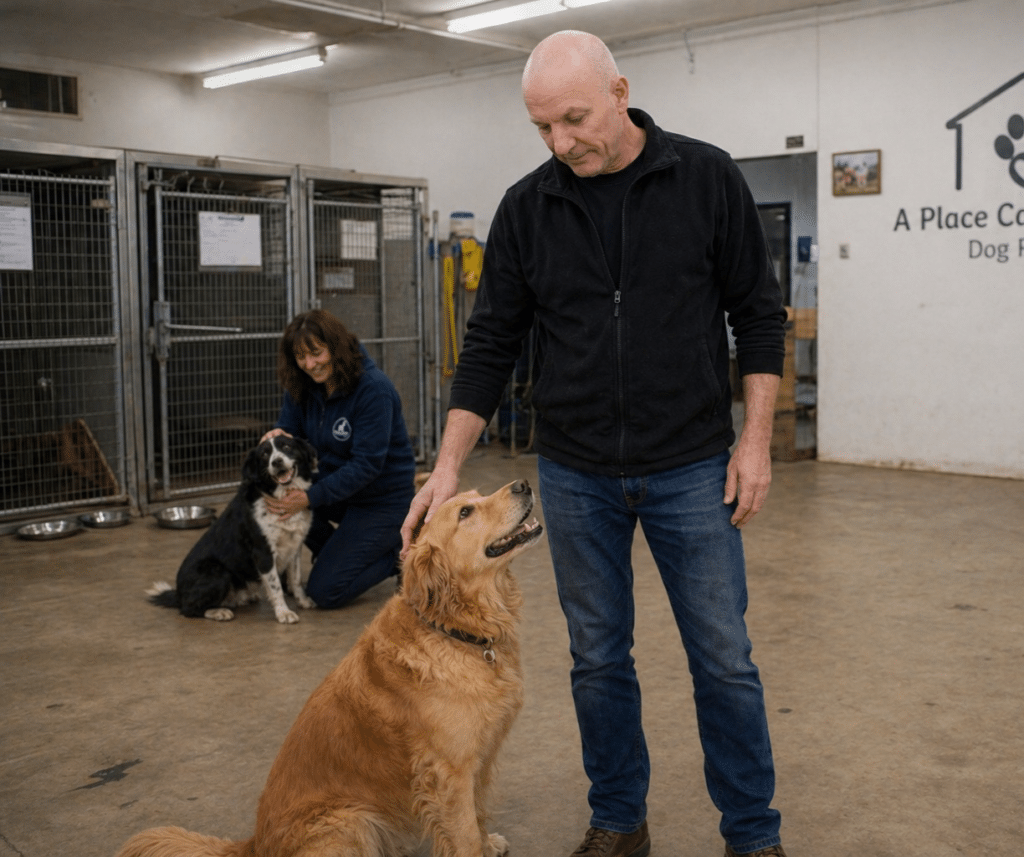
I work directly with your dog and demonstrate how to guide, manage, calm, structure and communicate more clearly in the real environment.
The skills are passed to you so you understand how to continue the rehabilitation, structure, boundaries and handling every day.
You receive a customised daily routine and rehabilitation plan built around your rescue dog, your home and your long-term goals.
Clients should be prepared for at least three hours. This allows time for assessment, education, demonstration and proper owner coaching.
The visit starts the programme. Lifetime support helps you continue, ask questions, correct mistakes and adjust the plan as the dog progresses.
Across Ireland, many owners adopt rescue dogs with good intentions, but soon realise that love alone does not undo stress, insecurity, fear, confusion or poor previous handling.
A rescue dog may need time, patience and kindness, but they also need clear leadership, predictable structure and a home environment that helps them feel safe without allowing instability to continue.
When calm structure, behavioural clarity, environmental stability, routine, engagement and practical guidance are introduced correctly, many rescue dogs begin to change significantly.
Real rehabilitation is not about overwhelming a dog with freedom before they are ready. It is not about avoiding every difficulty, and it is not about pushing the dog too quickly.
It is about building the right level of structure, exposure, confidence, handling and trust at the right pace for that individual dog.
The dog must learn how to live inside the modern home environment with calm guidance, clear boundaries and a routine that allows stability to develop.
Clear Answers
No. Rescue dog rehabilitation is deeper than basic obedience. It looks at the dog’s emotional state, background, stress levels, confidence, routine, environment, handling and ability to adjust to normal home life.
Yes. Nervous and fearful rescue dogs often need calm structure, confidence building, reduced confusion, better handling, environmental management and a clear routine that helps them feel safer.
Yes. Reactivity and aggression require proper assessment, safe management, trigger understanding, structured handling and a realistic plan that improves clarity, confidence and owner control.
Yes. The home environment is central to the work. We look at routine, boundaries, rest, visitors, movement, access, pressure points and where the dog is becoming stressed or confused.
Yes. Owner coaching is a major part of the service. You are shown how to continue the handling, structure, boundaries, confidence building and rehabilitation work every day.
You should be prepared for at least three hours. Rescue dog rehabilitation requires time for assessment, explanation, demonstration, owner coaching and programme planning.
The visit gives you the foundation. You receive a customised daily routine and rehabilitation plan, with lifetime follow-up support so you can ask questions, update progress and stay on track.
Clare Dog Training Ireland provides structured, practical and compassionate rescue dog rehabilitation for owners who want to help their dog feel safer, calmer, more stable and better guided in everyday life.