
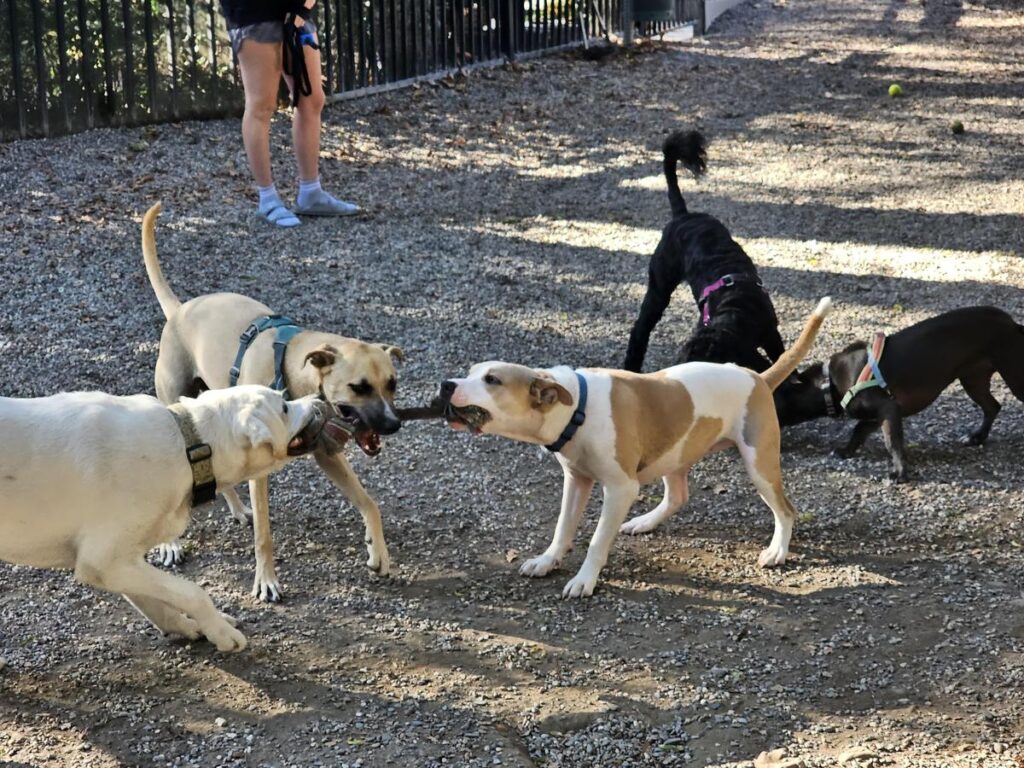
Planning permission has been granted for County Clare’s first officially designated dog park, marking a significant development in how canine spaces are being considered within local planning and community infrastructure.
The approved facility, located outside Ennis, will provide a secure, enclosed off-leash environment intended for controlled exercise and interaction. According to planning details, the park will include perimeter fencing, gated access, water provision, waste management facilities, and a managed entry system, reflecting a structured approach rather than an open public green space.
A Growing Need for Dedicated Canine Spaces
Dog ownership in Ireland has increased steadily in recent years, bringing renewed attention to how dogs are exercised and managed in shared environments. In many areas, owners rely on informal spaces such as fields, beaches, or roadside greens, which are not designed specifically for off-lead activity and can create challenges around safety, recall, and interaction with the wider public.
The approval of a dedicated dog park in County Clare aligns with a broader national and European trend toward purpose-built canine facilities, particularly in areas where population density and modern housing patterns have changed how dogs live day to day.
How Dog Parks Work — and Where Challenges Can Arise
While dog parks can offer clear benefits, their effectiveness depends heavily on how they are used. Enclosed off-lead environments bring together dogs of different breeds, ages, temperaments, and training backgrounds — often meeting for the first time.
Canine professionals consistently note that some challenges commonly arise in these settings, particularly when owners are unfamiliar with dog behaviour and body language. These can include:
missed early warning signals such as freezing, stiff posture, prolonged staring, or avoidance
same-gender tension or bullying behaviours, especially among adolescent and adult dogs
overstimulation leading to escalation rather than healthy play
owners being unsure when or how to intervene safely
These situations do not necessarily reflect “bad dogs” or “bad owners”, but rather a lack of experience or understanding of how dogs communicate under pressure.
Public Safety and Shared Responsibility
Because dog parks are shared spaces, the behaviour of one dog — and the decisions of one owner — can affect others. When interactions are not managed appropriately, conflicts can escalate quickly, creating stress not only for dogs but also for people present.
For this reason, dog parks tend to function best when owners view them as managed exercise environments, not automatic socialisation solutions. Awareness of a dog’s individual tolerance, confidence, and comfort around unfamiliar dogs is key, as is recognising when a dog may be better suited to structured walks, training, or controlled one-to-one interaction instead.
A Step Forward, With Awareness
The approval of County Clare’s first official dog park represents a step toward acknowledging dogs as part of public planning considerations. It offers an additional option for owners, rather than a replacement for responsible training, supervision, and informed handling.
As the project moves toward opening, its success will likely depend on clear rules, informed use, and ongoing education, ensuring the space supports canine welfare, owner confidence, and public safety.