
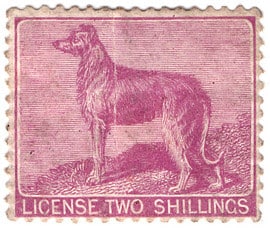
More than 13,000 dog licences were issued in County Kerry by the end of November last year, according to officially reported figures. On the surface, this appears to be a straightforward compliance statistic. In reality, it offers a deeper insight into dog ownership trends, public responsibility, and the growing pressures placed on local authorities, communities, and animal welfare systems.
A Snapshot of Dog Ownership at Scale
Dog licence data provides one of the few concrete indicators of how many dogs are formally registered within a county. In Kerry, a largely rural county with strong farming traditions alongside growing urban centres, the figure reflects a significant canine population living across towns, villages, and countryside.
However, licensing numbers should be viewed as a minimum baseline, not a definitive count. Not all dogs are licensed, and compliance varies widely depending on awareness, enforcement, and attitudes toward regulation.
What Licensing Does — and Does Not — Measure
A dog licence confirms legal ownership. It does not measure:
how a dog is bred
how it is raised
how it is trained or managed
whether it is under effective control
whether its needs are being met
This distinction matters. Rising dog numbers do not automatically translate to responsible ownership.
The Pressure Behind the Numbers
Local authorities increasingly face challenges linked to:
stray and unaccompanied dogs
dogs not under effective control
behavioural issues emerging from poor early management
enforcement capacity stretched across large geographic areas
When licensing compliance rises without parallel investment in education, guidance, and enforcement, the system risks becoming reactive rather than preventative.
Rural and Urban Dynamics
In rural counties such as Kerry, dogs often live in working, semi-working, or loosely managed environments. In urban and suburban areas, dogs are more commonly kept as household companions. These two contexts create very different demands — yet they operate under the same legal framework.
Licensing alone cannot address mismatches between a dog’s genetic background, its environment, and the owner’s level of experience.
Why the Figure Matters Nationally
When viewed alongside national dog ownership trends, the Kerry figure reflects a broader pattern across Ireland:
high dog ownership
uneven compliance
increasing behavioural and welfare challenges
reliance on enforcement after problems occur
Licensing is a necessary foundation — but it is not a solution in itself.
The Bigger Picture
Dog ownership has expanded faster than public understanding of canine development, genetics, and long-term responsibility. Numbers alone cannot capture whether dogs are thriving, struggling, or being set up to fail through lack of structure and informed decision-making.
As dog ownership continues to rise across Ireland, the focus must move beyond counting dogs — toward understanding how dogs are being kept, managed, and supported within modern society.
Philip Alain
The Canine Report