
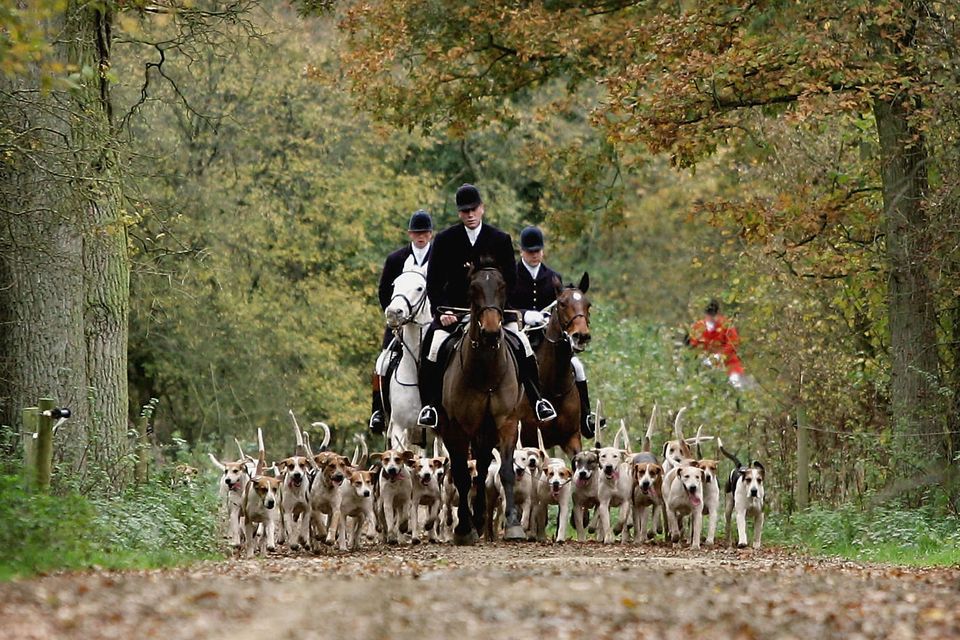
This week, a proposed bill seeking to restrict and effectively ban organised fox hunting in Ireland was rejected in Dáil Éireann, following opposition from government parties and concerns raised around enforcement, rural impact, and animal welfare oversight.
The proposal aimed to curtail traditional mounted and foot hunting practices, which have existed in Ireland for generations and are already subject to strict regulation under wildlife and animal welfare legislation.
The bill was ultimately voted down after debate highlighted that fox hunting in Ireland operates under a regulated framework, rather than as an unmonitored or unlawful activity.
The Role of Dogs in Irish Fox Hunting
Fox hunting in Ireland is carried out using specific types of working dogs, bred and trained for controlled pack work rather than indiscriminate pursuit.
These include:
Irish Foxhounds – large scent hounds traditionally used in mounted hunts, operating under recognised hunt organisations.
Harriers and Beagle-type hounds – smaller scent hounds used in foot hunting.
Working Terriers – used only in tightly controlled circumstances, primarily for flushing foxes where necessary, under existing legal protections.
All recognised hunts operate under codes of practice that emphasise:
Pack control and handler supervision
Minimising unnecessary suffering
Compliance with the Wildlife Acts and animal welfare law.
Why the Proposal Was
Opposed.
Opposition to the bill came from several angles:
Concerns that existing laws already regulate hunting adequately
Fears that an outright ban would drive activity underground, reducing oversight
Recognition of hunting’s role in rural land management and tradition.
The government position acknowledged that animal welfare must remain central, but argued that blanket bans without clear enforcement mechanisms could be counterproductive.
The Broader Context
This debate forms part of a wider European discussion around field sports, animal welfare, and rural culture.
In Ireland, the rejection of the bill signals that future changes—if any—are more likely to come through regulation and oversight, rather than prohibition.
For dog professionals, trainers, and behaviourists, this discussion also highlights the importance of understanding working dog roles, breed purpose, and the difference between controlled working environments and uncontrolled activity.
The Canine Report
By Philip Alain