Advanced Lead Training Built Around Your Dog, Your Handling and Real-Life Walks
Premium one-to-one in-home lead training and lead control support across Ireland, designed around your dog, your handling, your equipment, your lifestyle, your physical ability and the real environments where control, focus and connection actually matter.
Lead Work Built Around the Dog, Not the Equipment
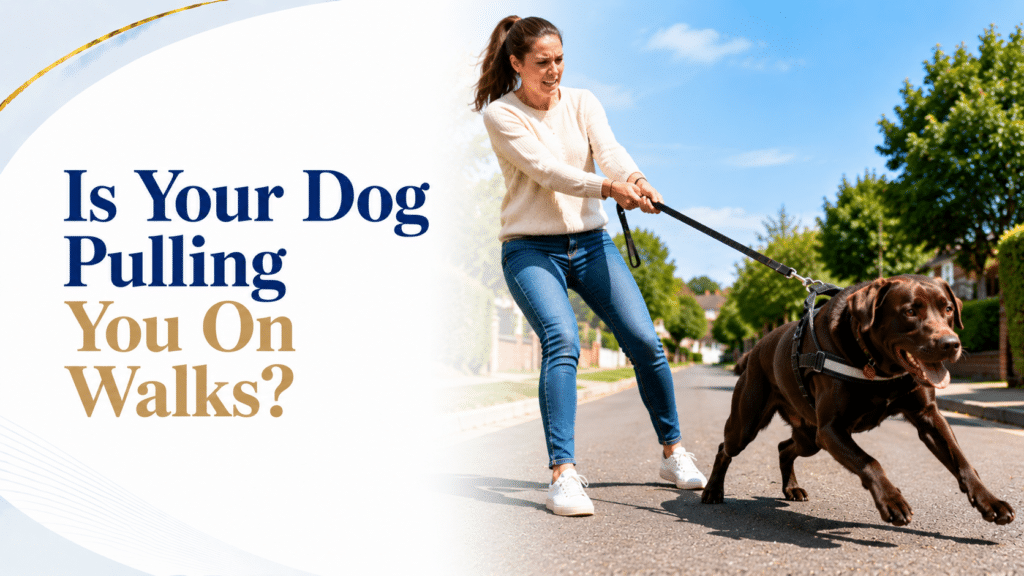
Many owners have already tried everything — harnesses, head collars, different leads, longer lines, shorter leads and various walking methods — yet the same problem remains.
Why Equipment Alone Does Not Fix the Walk
The issue is rarely a lack of equipment. The real problem is that most approaches expect every dog to fit into one method, instead of building the method around the dog in front of us.
The Full Picture at Both Ends of the Lead
Proper lead control is developed by looking at the full picture: the dog, the owner, the environment, the equipment and the level of connection between both ends of the lead.
Breed, Temperament, Strength and Drive
This includes the dog’s breed type, temperament, sensitivity, strength, drive, energy level, confidence, reactivity and the environments the dog is expected to walk in.
Owner Handling, Timing and Physical Control
It also includes the owner’s handling ability, timing, confidence, physical control and the practical reality of who is walking the dog every day.
Assessment in the Real Walking Environment
During the visit, I assess your dog in their current state, look at how your dog responds to the lead, the equipment, the environment and the person handling them, then demonstrate how to build better focus, connection and control.
Owner Coaching and Daily Lead Training
You are coached directly so you can understand your dog better, handle your dog more confidently and continue the system yourself after the visit as part of a realistic daily training routine.
Different Dogs Need Different Handling
A strong, high-drive dog needs a different level of handling to a nervous, sensitive or reactive dog. A method that works for one dog can fail completely with another. That is why this work is not based on one fixed technique.
Long-Term Calm, Controlled Movement
The result is not just a dog that stops pulling. The goal is a dog that can move in a calmer, more controlled, more consistent way, stay connected with the handler and respond reliably in everyday situations.
Demonstration With Your Dog
During the visit, I work directly with your dog and demonstrate how to lead, guide and handle the dog properly. This allows you to see the difference in real time, in front of your own eyes.
The work is practical, fair and built around the dog in front of us, not a fixed method copied from another dog.
Coached at Ground Level
You are not left watching from the side. You are coached through the handling, the timing, the movement, the equipment, the engagement work and the daily structure needed to continue.
The aim is to pass the skillset to you so you can work with your dog effectively every day.
Fully Customised Routine
After the visit, you will be sent a fully customised daily training routine based on your dog, your handling ability, your environment and what needs to improve.
The programme is then supported through lifetime follow-up support so you are not left on your own after the visit.
Clear Answers
What Makes This Different?
These are the points owners need to understand before booking serious lead training support.Is this just loose lead walking?
No. This is broader than loose lead walking. It looks at connection, control, equipment, handling, environment, reactivity, owner confidence and the dog’s ability to stay engaged under real pressure.
Will the same method be used for every dog?
No. The method is built around the dog in front of us. A high-drive dog, a nervous dog, a reactive dog and a physically strong dog all need different handling considerations.
Will equipment be discussed?
Yes. Equipment is considered carefully, but equipment alone is not the answer. The right setup must be combined with correct handling, structure, timing and engagement.
Will I be shown what to do myself?
Yes. You are coached during the visit so the skills can be passed on to you. The aim is for you to understand how to handle the lead, guide the dog and continue the system every day.
How long should I allow for the visit?
You should be prepared for at least three hours. This is a comprehensive in-home education, assessment, demonstration and coaching visit.
What happens after the visit?
The visit gives you the foundation. You will receive a fully customised daily training routine, and lifetime follow-up support allows you to ask questions, correct mistakes, update progress and stay on track.
Advanced Lead Training Built for Real Walks
This is practical one-to-one lead control support for real dogs, real owners and the everyday walking situations where control, connection and confidence matter most.