
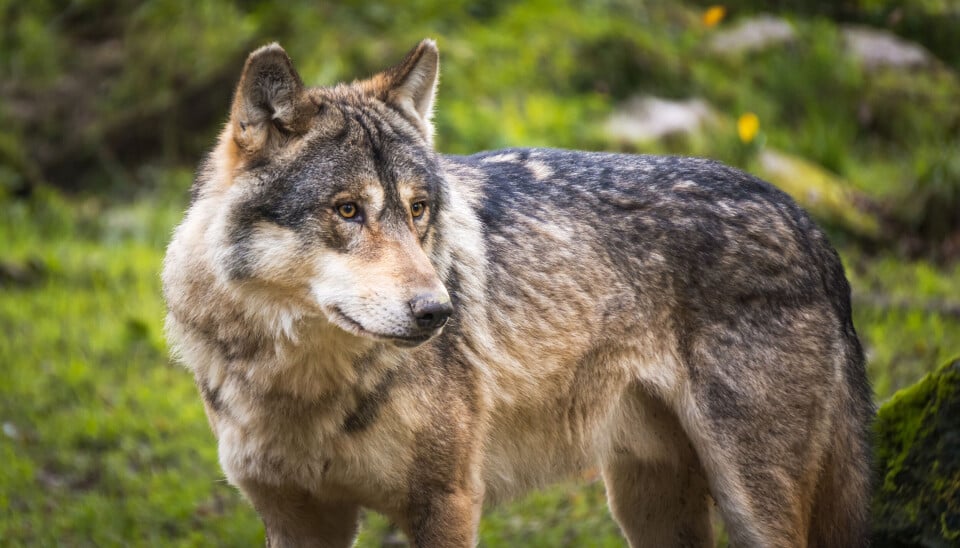
France has authorised the culling of approximately 200 wolves as part of its national livestock protection policy, reflecting a wider European struggle to balance wildlife conservation with farming safety. The decision follows continued reports of wolf predation on sheep and cattle in rural regions where large carnivores have naturally recolonised former habitats.
The Return Of Wolves And The Rural Impact
Wolf populations have expanded across parts of Europe over the last two decades under conservation protections. While widely viewed as an ecological success, their return has created increasing pressure on livestock farmers. Sheep flocks in mountain and pasture regions are particularly vulnerable, with attacks causing not only direct losses but also stress-related injuries, miscarriages, and long-term productivity decline.
For rural communities, the issue is not theoretical — it affects livelihood, animal welfare, and farm viability.
Why Governments Intervene
European wildlife policy generally protects wolves as a native species. However, controlled culling is sometimes authorised where repeated livestock attacks occur and non-lethal deterrents prove insufficient. These measures are intended as population management rather than eradication.
Authorities typically require evidence of repeated predation before intervention is permitted, alongside the use of preventative measures such as:
livestock guardian dogs
reinforced fencing
night enclosures
supervised grazing
The Link To Dog Ownership And Rural Responsibility
The discussion around wolves also mirrors a long-standing issue across Ireland and the UK — uncontrolled domestic dogs worrying livestock. Farmers frequently report that loose pet dogs cause damage comparable to wild predators. In both cases, the result for sheep is identical: panic, injury, and death.
The difference lies in expectation. Wild predators act instinctively. Domestic dogs are the responsibility of their handlers.
A European-Wide Balancing Act
The challenge facing European authorities is balancing three realities:
conservation of native wildlife
protection of farm animals
public safety in shared countryside spaces
France’s decision illustrates how wildlife recovery changes the responsibilities placed on people living alongside animals, whether wild or domestic.
What This Means Going Forward
Predator recovery across Europe is unlikely to reverse. Instead, rural management practices will continue adapting — stronger livestock protection, clearer legislation, and increased public awareness of dog control around farmland.
The wider message extends beyond wolves: coexistence depends on management, not assumption.
Philip Alain
The Canine Report