
UK Import Ban on Cropped and Docked Dogs Begins in 2026Policy & Canine Welfare Update (United Kingdom)
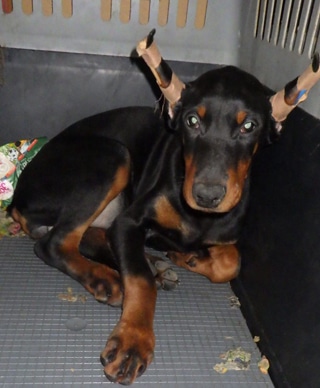
A major shift in UK animal welfare law took effect on January 1, 2026, introducing a ban on the importation of dogs that have undergone cosmetic mutilations, including cropped ears and docked tails. The measure forms part of the Animal Welfare (Import of Dogs, Cats and Ferrets) Act, a comprehensive new law aimed at strengthening protections for companion animals and cracking down on low-welfare pet imports.
The ban specifically prohibits dogs that have had their ears surgically altered or tails docked for cosmetic reasons from entering the UK as pets or for sale. The prohibition also covers other welfare-related issues including the import of young puppies under six months old, heavily pregnant animals, and provisions that limit the number of pets that can be brought into the country without commercial licensing.
Background to the Law
Cosmetic procedures such as ear cropping and non-therapeutic tail docking have been illegal to perform in the UK for many years. However, until this legislation was enacted, there was no legal restriction on importing dogs that had already been subject to these procedures abroad.
Veterinary bodies, welfare charities, and Members of Parliament supported the legislation, noting that it closes a longstanding loophole that enabled dogs altered overseas to continue entering the UK despite the practice being unlawful domestically. The new law is intended to reduce the demand for mutilation practices and prevent their continuation through importation.
The legislation is the culmination of a multi-year effort by animal welfare advocates and veterinary organisations to address gaps in animal transport and import rules. In recent years, increasing reports from vets and welfare charities detailed the rise in imported dogs with cropped ears and docked tails, often associated with low-welfare breeding and smuggling operations.
Intended Effects and Broader Measures
In addition to the import ban on cropped and docked dogs, the new law:
raises the minimum age at which puppies can be imported into the UK to six months,
restricts the import of heavily pregnant animals,
limits the number of pets that can enter under non-commercial travel rules, and
introduces tighter controls to deter illegal puppy smuggling.
Animal welfare groups have described these measures as a significant step forward, helping to protect dogs from suffering caused by early separation from their mothers, long journeys in poor conditions, and unnecessary or cruel procedures.
Welfare and Industry Perspectives
Veterinary professionals welcomed the change, emphasizing that the ban aligns the UK with modern welfare standards and sends a clear message that unnecessary cosmetic alterations and exploitative import practices will not be tolerated. Advocates also expect the law to reduce the prevalence of poorly socialised or unhealthy dogs entering the country through illicit channels.
While the ban is specific to the UK, it reflects broader international concern about pet import welfare standards and the responsibilities of destination countries to safeguard the health and emotional wellbeing of animals brought across borders.
This change in law will directly affect owners, breeders, and traders who have previously relied on importing dogs from abroad, particularly working breeds or ornamental dogs whose appearance has been altered for aesthetic reasons in countries where those practices are still permitted.