
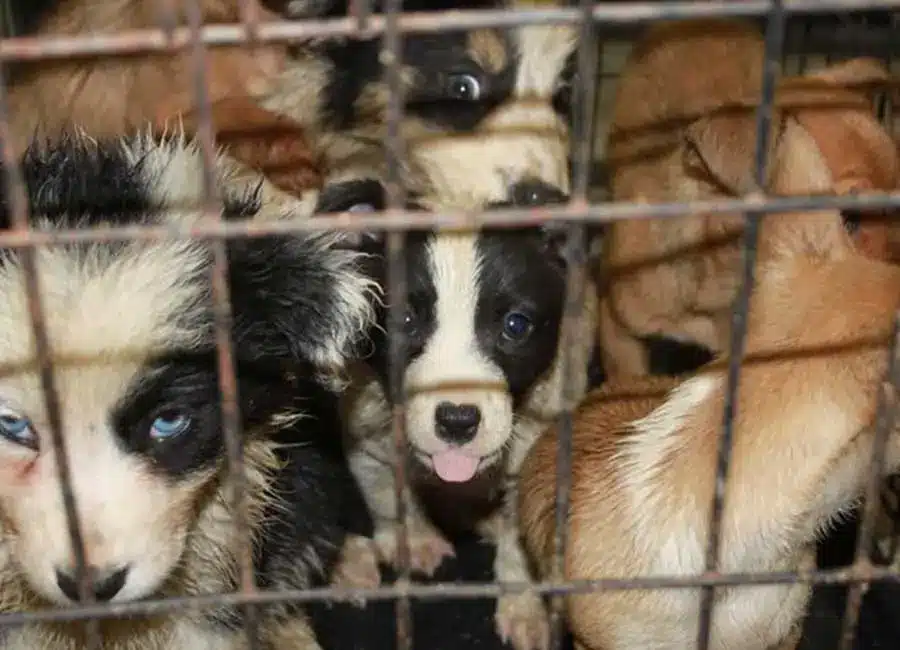
On Wednesday, 10 December 2025, dog breeding regulation returned to the centre of national discussion in Ireland as a Social Democrats private members’ Bill aimed at tightening controls on high-volume breeding establishments—commonly referred to as puppy farms—was brought before the Dáil for debate.
What Triggered the Debate
The debate was driven by growing concern from welfare organisations, trainers, and members of the public that existing oversight does not adequately prevent poor welfare outcomes for breeding bitches and puppies. There are also concerns that current systems fail to protect buyers from predictable health and behavioural problems linked to early-life deprivation.
The Bill’s sponsor, Jennifer Whitmore TD, highlighted conditions in some breeding operations as deeply concerning and stated that rescue organisations are repeatedly left managing the long-term fallout when regulation is weak, fragmented, or inconsistently enforced.
The Core Proposals in the Bill
As outlined during the Dáil debate and subsequent coverage, the proposals focused on practical, enforceable limits intended to reduce over-breeding, improve daily care standards, and curb large-scale industrial breeding practices.
Key measures discussed included:
Limits on scale: A proposed cap of 30 breeding females per site
Breeding age controls: A proposed minimum breeding age of 16 months and a maximum breeding age of 8 years
Litter frequency controls: A proposed limit of one litter per year per breeding female, with a lifetime maximum of four litters
Puppy separation age: A proposed minimum age of 10 weeks before puppies can be separated from their mother
Staffing and care ratios: A proposed 10:1 staff-to-dog care ratio to prevent large numbers of dogs being kept without meaningful daily husbandry or welfare standards
Why This Matters to Dog Owners and the Pet Dog World
From a pet dog ownership perspective, this issue extends far beyond breeding facilities themselves. When puppies are raised in environments with insufficient care, minimal handling, poor sanitation, or limited early-life social exposure, the consequences often emerge later in family homes.
Common outcomes include chronic health problems with ongoing veterinary costs, alongside behavioural issues such as fearfulness, reactivity, handling sensitivity, separation-related distress, and poor resilience to everyday home life. The link between early breeding conditions and later behavioural challenges was explicitly referenced during the debate.
The Wider Policy Issue Highlighted in the Dáil
A recurring concern raised was that responsibility for dog breeding, welfare, sale, and enforcement is spread across multiple areas of the state. This fragmentation can create gaps and inconsistencies in oversight, allowing poor practice to persist even where regulations exist.
Where Things Stood Following the Debate
Coverage following the debate made clear that the Bill formed part of a wider political discussion on strengthening Ireland’s approach to dog breeding regulation. Public interest remains high, with ongoing scrutiny around how quickly meaningful and enforceable controls could be implemented in practice.
The Canine Report Perspective
For owners searching terms such as “puppy farm Ireland,” “dog breeding regulations Ireland,” “responsible dog breeder,” “puppy behaviour problems,” “dog behaviourist Ireland,” and “dog training support after buying a puppy,” this December debate reinforces a central reality: the puppy brought into a home is the end product of a system.
When welfare standards fail earlier in that system, families often face the consequences later through increased stress, cost, and behavioural challenges.
This update is published as a public-interest news summary for The Canine Report, documenting developments in Ireland’s dog world during December 2025, with a focus on real-world implications for welfare, dog behaviour, and the wider pet dog sector.